

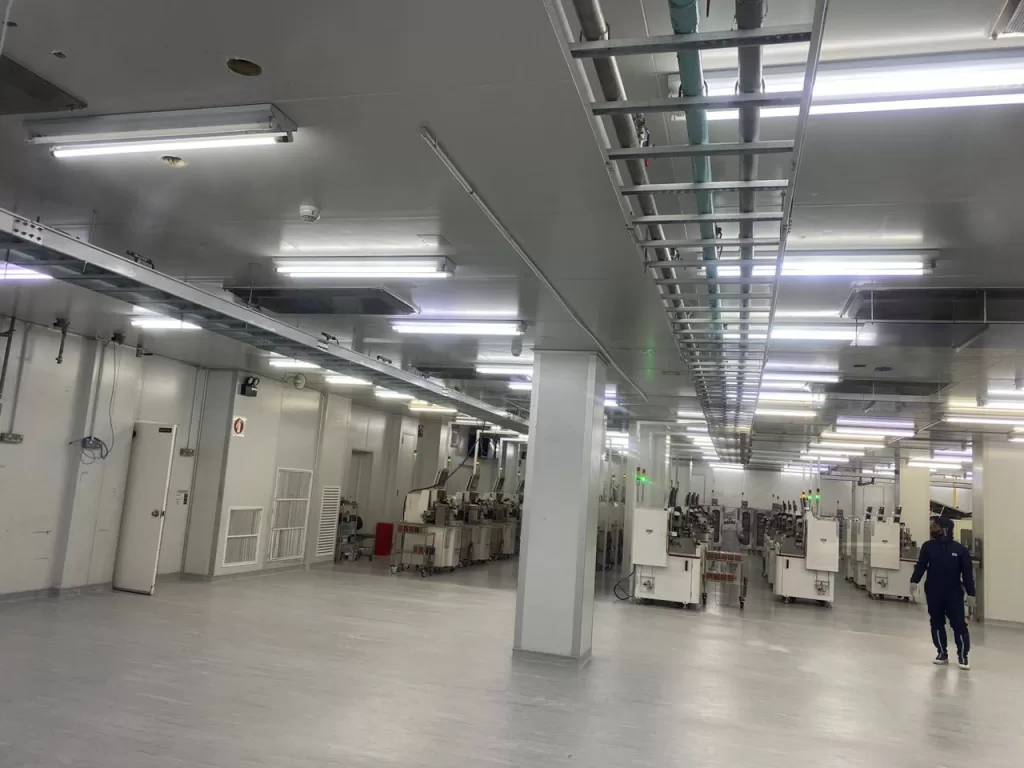
Why Proper Pipe Support Matters in Industrial HVAC and Chiller Systems
In industrial and commercial buildings, HVAC and chiller systems rely heavily on piping to circulate chilled water, condenser water, and other fluids. While pipes may look rigid and durable, poor or improper pipe support can lead to long-term problems such as vibration, leaks, structural stress, and system inefficiency.
For building owners, facility managers, and consultants in Kuala Lumpur, understanding the importance of proper pipe support is essential when planning piping work in KL, especially for chiller and industrial HVAC systems.
What Is Pipe Support in HVAC and Chiller Systems?
Pipe support refers to the brackets, hangers, clamps, and structural supports used to hold piping securely in place. In chiller systems, these supports are designed to:
- Carry the weight of pipes and flowing fluids
- Maintain correct pipe alignment and slope
- Absorb vibration and thermal movement
- Prevent stress on joints, valves, and equipment
In industrial HVAC installations, pipe support is not just a mechanical requirement — it is also a safety and longevity consideration.
Why Proper Pipe Support Is Critical in Industrial Environments
1. Prevents Excessive Vibration and Noise
Chiller systems generate vibration during operation. Without proper support and spacing, vibration can travel along the piping network, causing:
- Noise complaints in commercial buildings
- Fatigue cracks at joints and welds
- Premature failure of valves and fittings
Correct pipe support placement helps isolate vibration and protects the entire HVAC system.
2. Reduces Risk of Pipe Sagging and Leaks
Over time, unsupported or poorly supported pipes may sag under their own weight, especially in long horizontal runs. This can result in:
- Stress on flanges and joints
- Water pooling inside pipes
- Increased risk of leaks
Proper bracket installation ensures pipes remain level and structurally stable throughout their service life.
3. Accommodates Thermal Expansion and Contraction
Chiller piping systems experience temperature changes during daily operation. As pipes heat up and cool down, they expand and contract.
Without proper design considerations:
- Pipes may push against fixed structures
- Excessive stress can develop at anchor points
- Cracks may form over time
Well-planned pipe support systems allow controlled movement while maintaining alignment.
4. Protects Equipment and Building Structure
Pipes that are not adequately supported can transfer load and vibration to:
- Chillers and pumps
- Concrete slabs and steel beams
- Ceiling and wall structures
In industrial buildings, this may lead to structural damage or costly retrofitting. Proper pipe support acts as a buffer between mechanical systems and the building structure.
Common Pipe Support Issues Seen in KL Projects
Based on site experience in Kuala Lumpur and Selangor, common issues include:
- Incorrect spacing between pipe supports
- Improvised brackets not designed for pipe load
- Lack of coordination with structural elements
- Ignoring future maintenance access
These problems often occur when piping work is rushed or not handled by experienced contractors.
The Role of Bracket Installation in Chiller Piping
Pipe brackets are a key component of chiller piping systems. Proper bracket installation involves:
- Assessing pipe size, weight, and material
- Understanding operating temperature and vibration
- Fixing brackets securely to suitable structural points
- Ensuring long-term durability and safety
You can learn more about this process on our Install Bracket for Chiller Piping page.
How Proper Pipe Support Improves System Efficiency
When pipes are properly supported:
- Flow resistance is reduced
- Pumps operate more efficiently
- Maintenance issues are minimised
- System downtime is reduced
This directly contributes to lower operating costs and longer system lifespan for industrial HVAC systems.
Choosing the Right Contractor for Piping Work in Kuala Lumpur
When planning piping work for chiller or HVAC systems, consider contractors who:
- Understand industrial HVAC and mechanical systems
- Coordinate piping with structural and HVAC ducting works
- Follow proper pipe support design standards
- Prioritise safety, durability, and maintenance access
Experienced contractors can help prevent hidden issues that only surface years after installation.
Final Thoughts
Pipe support may seem like a small detail, but in industrial HVAC and chiller systems, it plays a major role in system performance, safety, and longevity. From vibration control to structural protection, proper pipe support is essential for any high-quality installation.
If you are planning piping work in KL or upgrading an existing chiller system, working with an experienced engineering team ensures the system is designed and installed correctly from the start.
Frequently Asked Questions (FAQs)
Why is pipe support important in chiller and HVAC systems?
Proper pipe support prevents vibration, sagging, and stress on joints, helping HVAC and chiller systems operate safely, efficiently, and for a longer lifespan.
What problems can occur if pipe supports are poorly installed?
Poor pipe support can lead to leaks, excessive vibration, noise issues, equipment damage, and higher maintenance costs over time.
How often should pipe supports be inspected?
Pipe supports should be checked during routine HVAC maintenance and after major system changes. Industrial systems are typically inspected at least once a year.
Do chiller pipes need different supports than standard HVAC pipes?
Yes. Chiller piping carries heavier loads and experiences temperature changes, so it requires stronger brackets and proper allowance for thermal expansion.
Can improper pipe support affect chiller performance?
Yes. Misaligned or sagging pipes can reduce flow efficiency, increase pump strain, and negatively impact overall chiller performance.
Is pipe support part of professional piping work in KL?
Yes. Proper pipe support design and installation are essential components of professional piping work in KL, especially for industrial and commercial HVAC systems.
When should pipe brackets be replaced or upgraded?
Pipe brackets should be replaced if they show corrosion, loosening, misalignment, or when system loads increase due to upgrades or modifications.
Disclaimer:
The information provided in this article is for general information purposes only. For accurate assessment and implementation, please consult qualified engineering professionals or contact EEPS Engineering for project-specific advice. While we strive for accuracy and completeness in our content, we cannot guarantee that it is error-free. EEPS Engineering Sdn. Bhd. assumes no responsibility for any errors or omissions.