

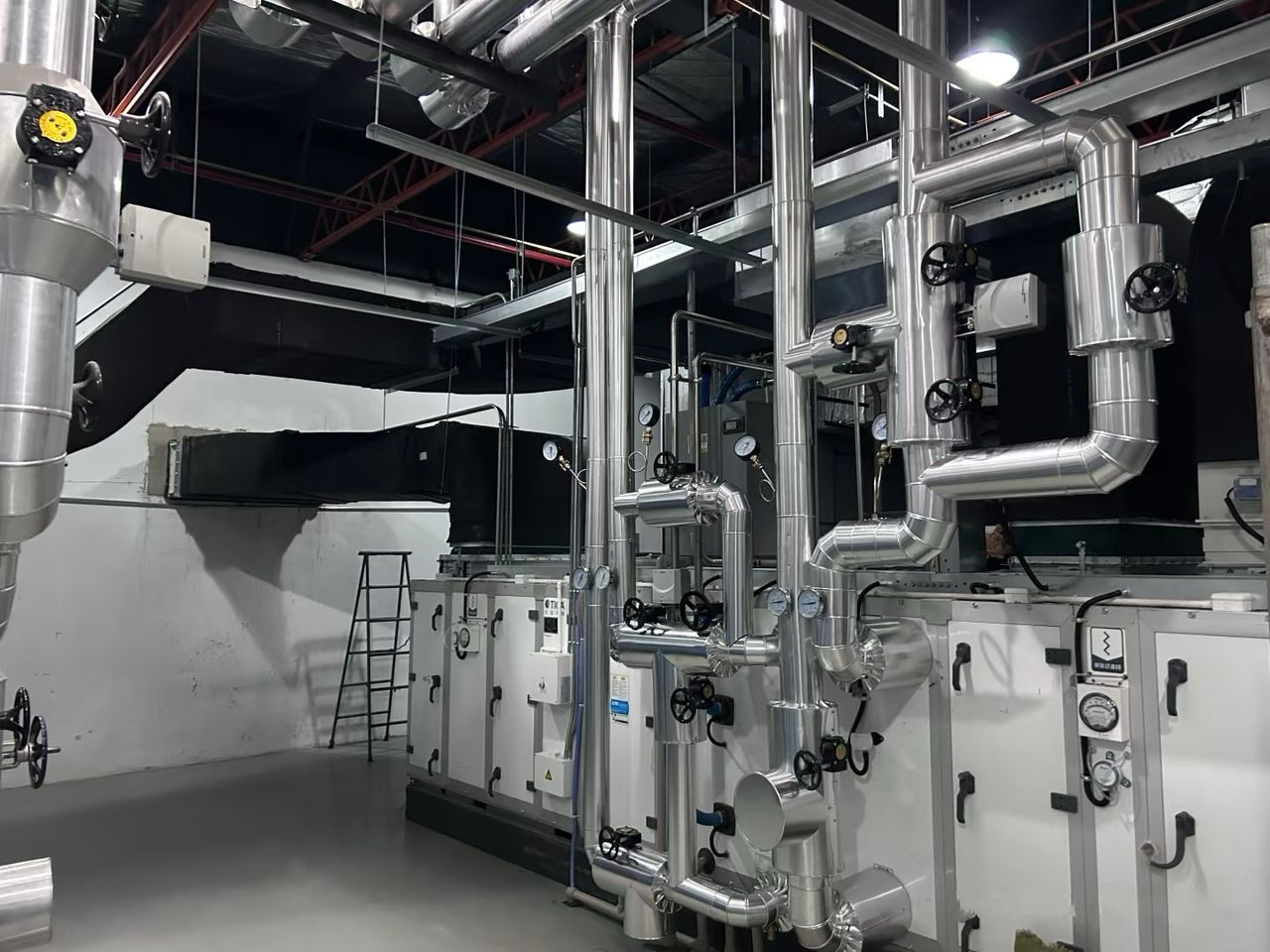
How Proper Utility System Design Improves Production Efficiency
In modern manufacturing environments, production efficiency depends heavily on the reliability and performance of process utility systems. Utilities such as compressed air, industrial gases, vacuum, cooling water, exhaust, and power form the backbone of daily operations. Poor system design can quietly reduce productivity, increase energy consumption, and raise operating costs.
In Malaysia’s fast-growing industrial sectors such as electronics, semiconductor, pharmaceutical, and precision manufacturing, a well-designed process utility system is no longer optional. It is a critical factor in achieving stable and efficient production.
This article explains how proper process utility system design improves production efficiency, reduces operational risk, and supports long-term scalability for Malaysian manufacturers.
What Is a Process Utility System?
A process utility system refers to the integrated network of utilities required to support manufacturing processes. These typically include:
- Compressed Dry Air (CDA)
- Industrial and specialty gas systems
- Vacuum systems
- Process cooling water and chilled water
- Exhaust and scrubber systems
- Electrical and control utilities
In industrial facilities, these utilities must operate continuously, safely, and consistently to ensure stable production output.
Learn more about process utility systems in Malaysia
Why Process Utility System Design Directly Impacts Production Efficiency
Many production inefficiencies are not caused by machines or operators. They originate from poorly designed utility infrastructure. Below are key ways proper utility system design improves efficiency.
1. Reduced Downtime and Production Interruptions
Unplanned downtime is one of the biggest productivity losses in manufacturing. Common utility-related causes include:
- Insufficient air pressure or flow
- Gas supply instability
- Cooling system capacity limitations
- Inadequate redundancy
A properly designed process utility system includes:
- Correct capacity sizing
- Redundant critical components
- Logical piping and layout planning
This ensures stable utility supply, minimizing unexpected shutdowns and production delays.
2. Improved Energy Efficiency and Lower Operating Costs
Energy consumption is a major cost factor for Malaysian industrial facilities, especially in systems like compressed air, chilled water, and exhaust.
Optimized utility design helps by:
- Reducing pressure drops and energy losses
- Preventing over-sized equipment operation
- Improving load matching and system control
- Minimizing leaks and inefficiencies
Over time, these improvements can lead to significant energy savings and lower utility bills, directly improving overall production efficiency.
3. Consistent Process Quality and Product Yield
Many manufacturing processes require stable utility parameters such as pressure, temperature, flow rate, and air quality.
Poor utility design can result in:
- Process variation
- Equipment malfunction
- Product defects or contamination
Well-engineered utility systems provide consistent and controlled conditions, helping manufacturers maintain high product quality and reduce rework or rejection rates.
4. Better Integration with Mechanical & Electrical Systems
Modern production equipment is designed to work with specific utility requirements. When utility systems are not aligned with equipment needs, performance suffers.
Proper process utility system design ensures:
- Correct utility specifications for each tool
- Balanced distribution across production areas
- Smooth integration during equipment upgrades or expansion
This integrated approach is best handled by an experienced M&E contractor in Malaysia who understands the full project lifecycle, from design and installation to testing, commissioning, and long-term operation.
5. Enhanced Safety and Regulatory Compliance
Utility systems often involve high pressure, hazardous gases, electrical power, and high temperatures. Poor design increases safety risks such as leaks, pressure failures, or system overloads.
In Malaysia, industrial facilities must also consider:
- Workplace safety requirements
- Environmental and emission controls
- Proper ventilation and exhaust management
A well-designed process utility system incorporates safety, monitoring, and compliance considerations from the start, protecting both personnel and operations.
Key Design Considerations for Process Utility Systems in Malaysia
To maximize production efficiency, several factors must be addressed during the design stage:
Accurate Capacity Planning
Systems must be designed based on current and future production needs, not just minimum requirements.
Proper Piping Layout
Well-planned piping reduces pressure drops, leakage, and maintenance issues.
System Scalability
A scalable utility system allows future expansion without major redesign or downtime.
Professional Engineering Expertise
Engaging experienced civil, mechanical, and electrical engineers ensures the system is optimized from the start.
Common Mistakes That Reduce Utility System Efficiency
Some frequent issues seen in industrial facilities include:
- Over-sized or under-sized utility systems
- Poor piping layout that causes excessive pressure drop
- Lack of redundancy for critical utilities
- Insufficient planning for future expansion
Avoiding these mistakes early in the design stage helps prevent long-term operational inefficiencies and costly system modifications.
Why Work with an Experienced Process Utility System Contractor?
Designing and implementing an effective process utility system requires specialized engineering expertise and hands-on industry experience.
An experienced contractor can:
- Evaluate real production requirements
- Design efficient, compliant systems
- Coordinate installation and commissioning
- Support long-term system reliability
This approach ensures your utility infrastructure supports production goals rather than limiting them.
Working with an experienced industrial electrical contractor in Malaysia also ensures reliable power distribution, proper system integration, and long-term operational stability.
Conclusion
Proper process utility system design plays an important role in improving production efficiency, reducing operating costs, and supporting long-term growth for Malaysian manufacturers.
By investing in well-planned, reliable, and energy-efficient utility systems, companies can create a stable foundation for consistent production performance and future expansion.
If you’re planning a new facility or upgrading existing infrastructure, explore our Process Utility System services in Malaysia to learn how EEPS can support your project.
Frequently Asked Questions (FAQs)
What is included in a process utility system?
A process utility system includes all the support utilities needed for manufacturing, such as compressed air, vacuum, industrial gases, cooling water, exhaust, and electrical power distribution.
How does a well-designed utility system improve production efficiency?
A properly designed system delivers the right utility at the right pressure and temperature, avoids bottlenecks, minimizes energy waste, and supports smooth operations across HVAC, industrial air conditioning, and other production systems.
Why is utility system design important for production efficiency?
Proper design ensures stable supply, correct pressure and flow, and reliable operation. This reduces downtime, improves product quality, and lowers energy costs.
When should a utility system be planned in a project?
Utility systems should be planned at the early design stage. Early planning avoids layout conflicts, capacity problems, and costly redesign later during construction.
Can an existing utility system be upgraded without stopping production?
Yes, most utility systems can be upgraded in stages with careful planning. This reduces production downtime while improving efficiency and reliability.
What is the difference between a process utility contractor and a regular contractor?
A process utility contractor has specialized engineering knowledge and industry experience. They can design, install, test, and maintain utilities in line with production needs and safety requirements.
Why should Malaysian companies choose a local M&E contractor for utility systems?
Local M&E contractors understand Malaysian regulations, project conditions, and industry requirements. They can provide faster response times, better on-site coordination, and reliable support for maintenance and troubleshooting.
Disclaimer:
The information provided in this article is for general information purposes only. For accurate assessment and implementation, please consult qualified engineering professionals or contact EEPS Engineering for project-specific advice. While we strive for accuracy and completeness in our content, we cannot guarantee that it is error-free. EEPS Engineering Sdn. Bhd. assumes no responsibility for any errors or omissions.