

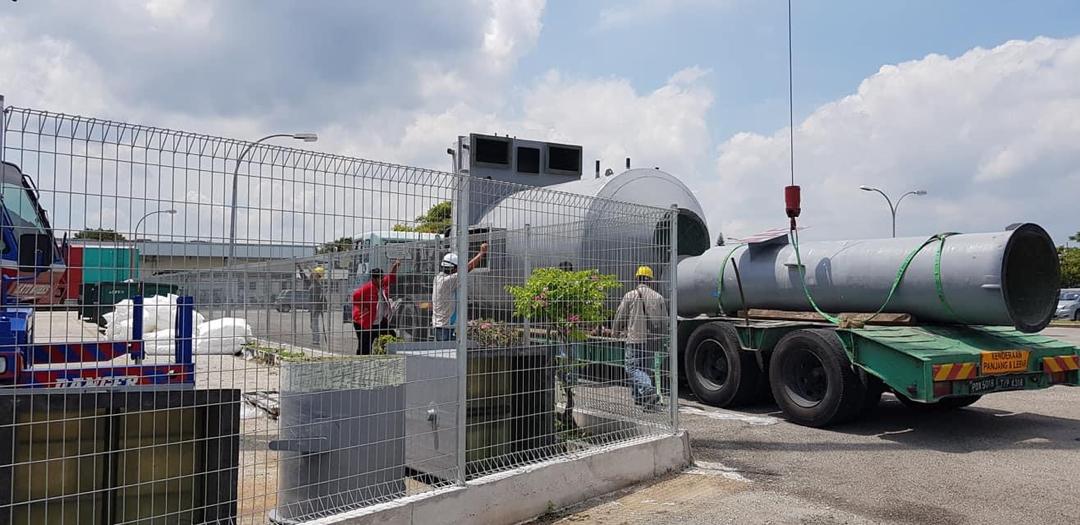
Types of Scrubber Systems Used in Industrial Facilities in Malaysia
Industrial facilities in Malaysia often produce exhaust emissions that need treatment before being released into the environment. Scrubber systems are essential for controlling air pollution by removing harmful gases, dust, and chemicals from industrial exhaust streams.
EEPS Engineering provides scrubber system design and installation for industrial facilities in Malaysia. This article explains the common scrubber system types and how they are typically used in industrial settings.
Common Types of Scrubber Systems
The main scrubber types used in industrial facilities are:
- Wet Scrubber Systems
- Dry Scrubber Systems
- Hybrid Scrubber Systems
These systems are selected based on the pollutant type, exhaust temperature, space availability, and maintenance requirements.
What is a Scrubber System?
A scrubber system is an air pollution control device designed to remove particulate matter and gaseous pollutants from industrial exhaust. These systems are widely used in industries such as chemical processing, power generation, pharmaceuticals, and food production.
In Malaysia, scrubber systems are commonly implemented to help industrial facilities manage emissions and support compliance with environmental requirements.
1. Wet Scrubber Systems
What is a wet scrubber?
Wet scrubbers use liquid, typically water or a chemical solution, to capture pollutants from exhaust gases. The pollutants are absorbed or neutralized in the liquid before the exhaust air is released.
Why are wet scrubbers used?
Wet scrubbers are effective for removing both gaseous and particulate pollutants. They can handle high-temperature exhaust and are often used where dust or fumes are present.
Common applications in Malaysia
- Chemical manufacturing plants
- Metal processing facilities
- Power plants
Types of wet scrubbers
- Spray Tower Scrubbers: Gas passes through a fine mist of liquid that captures pollutants.
- Venturi Scrubbers: High-velocity gas stream mixes with the scrubbing liquid, improving particulate removal.
- Packed Bed Scrubbers: Gas flows through a packed column while liquid trickles down, ideal for gas absorption.
2. Dry Scrubber Systems
What is a dry scrubber?
Dry scrubbers remove pollutants without using liquid. They rely on dry sorbent materials such as lime or activated carbon to chemically react with gaseous pollutants.
Why are dry scrubbers used?
Dry scrubbers do not generate wastewater, making them suitable where liquid handling is difficult. They are also commonly used for high-temperature exhaust and when space is limited.
Common applications in Malaysia
- Cement factories
- Incineration plants
- Steel manufacturing facilities
Popular dry scrubber types
- Spray Dryer Absorbers: A mist of sorbent reacts with gases to neutralize pollutants.
- Fabric Filter Systems: Often combined with dry sorbents to capture dust and gas simultaneously.
3. Hybrid Scrubber Systems
What is a hybrid scrubber?
Hybrid scrubbers combine both wet and dry scrubbing technologies to optimize pollutant removal.
Why are hybrid scrubbers used?
Hybrid systems are suitable for exhaust streams containing a mix of particulate matter and gaseous pollutants. They offer higher removal efficiency and flexibility for varying emission loads.
Common applications in Malaysia
- Petrochemical plants
- Waste-to-energy facilities
- Large-scale chemical processing units
How to Choose the Right Scrubber System in Malaysia
Choosing the right scrubber system depends on several factors, including:
- Type of pollutant: Acid gases, particulates, or both
- Gas temperature and flow rate: High-temperature exhaust may require wet or dry scrubbers
- Space availability: Dry scrubbers typically take up less space
- Maintenance requirements: Wet scrubbers require water treatment and corrosion control
- Compliance: The system must meet Malaysian environmental requirements
EEPS engineers can assess your facility’s exhaust needs and recommend the most suitable scrubber system based on your process and emission characteristics.
Conclusion
Scrubber systems play a vital role in maintaining air quality in industrial facilities across Malaysia. Whether you choose a wet, dry, or hybrid scrubber, selecting the right system helps control emissions, protect worker safety, and support compliance efforts. Industrial operators should work with experienced scrubber system providers in Malaysia to design and maintain an efficient air pollution control solution.
For more information about EEPS scrubber system services, visit our Scrubber System page.
Frequently Asked Questions (FAQs)
What determines the type of scrubber my facility needs?
The type of scrubber depends on the pollutant type, exhaust volume, and whether the process produces gases, fumes, or particulates.
Can scrubbers control odors in industrial facilities?
Yes, scrubber systems can reduce odors depending on the pollutant type and exhaust characteristics.
Do scrubbers require frequent maintenance?
Maintenance depends on pollutant load and scrubber type, but regular inspection is recommended to ensure reliable performance.
Can scrubbers be integrated with existing exhaust systems?
Yes, scrubber systems can be designed to integrate with existing exhaust ducts and ventilation systems.
Disclaimer:
The information provided in this article is for general information purposes only. For accurate assessment and implementation, please consult qualified engineering professionals or contact EEPS Engineering for project-specific advice. While we strive for accuracy and completeness in our content, we cannot guarantee that it is error-free. EEPS Engineering Sdn. Bhd. assumes no responsibility for any errors or omissions.